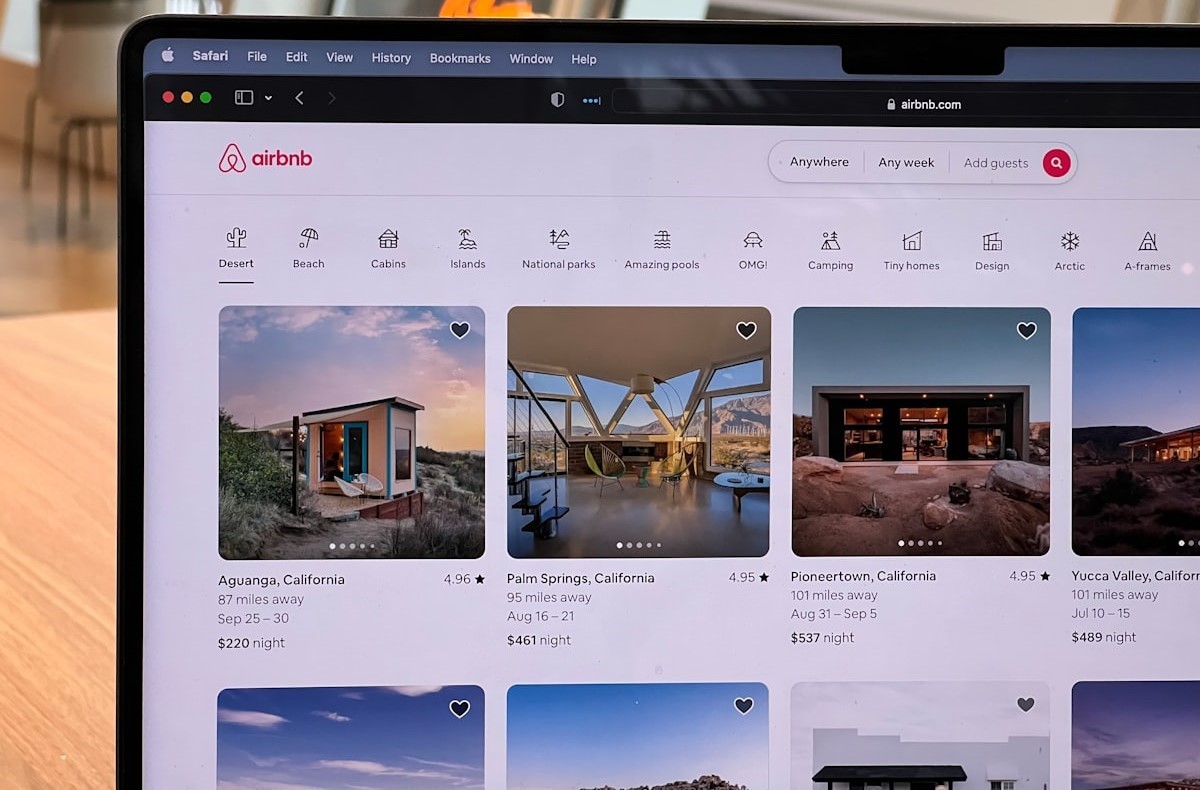

One of the most common questions landlords ask us is whether short-term letting through Airbnb is really more profitable than a traditional long-term tenancy. The answer depends on your property, location, and how much involvement you want — but in most UK cities, short-lets come out significantly ahead on income.
Here’s a detailed comparison of short-let vs long-let to help you decide which route is right for your property.
Short-Let vs Long-Let: The Income Comparison
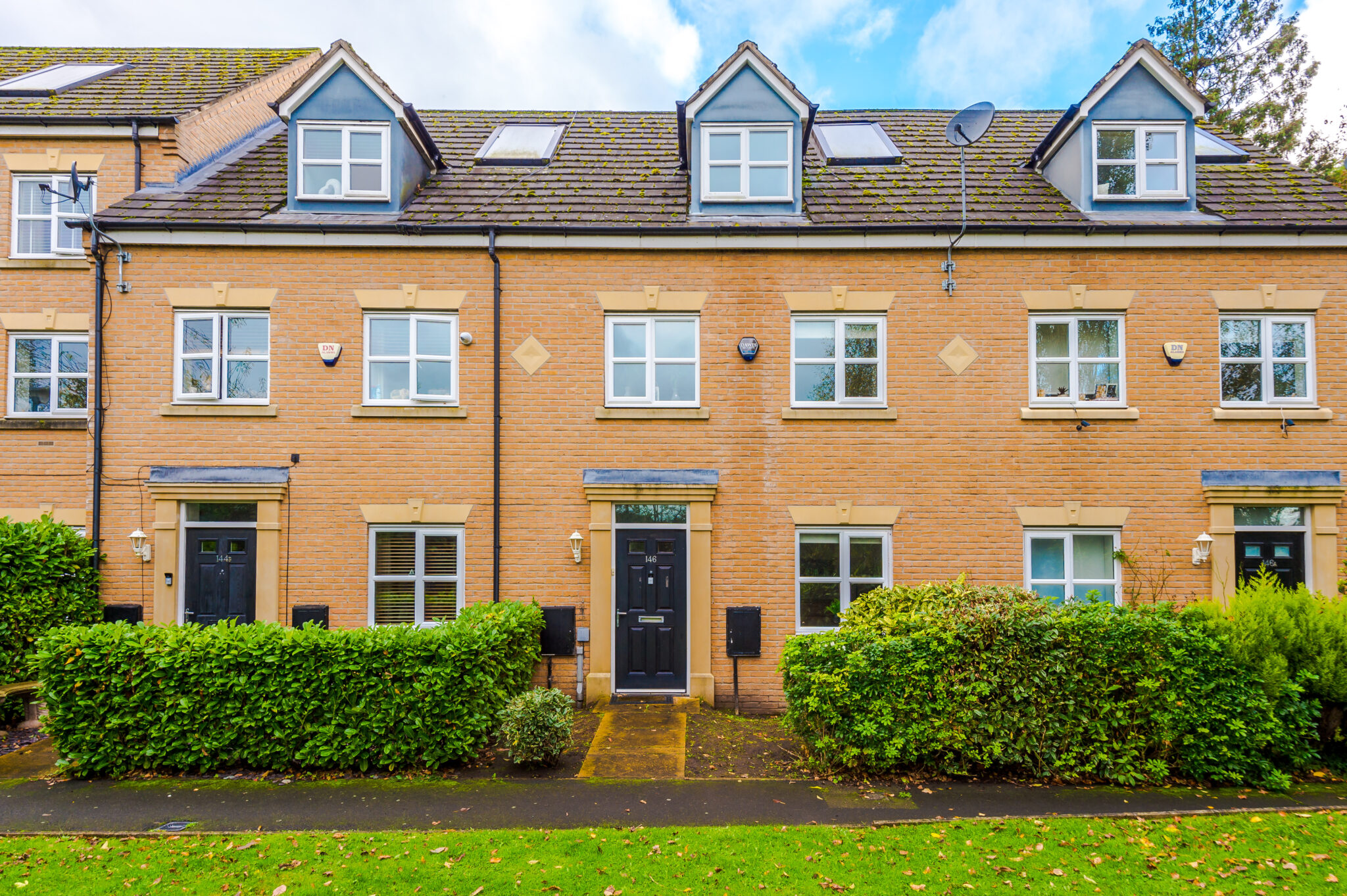
Let’s use a real-world example. Take a well-maintained one-bedroom apartment in Manchester city centre. On a traditional assured shorthold tenancy (AST), you might expect monthly rent of around £900–£1,100, giving you gross annual income of roughly £10,800–£13,200.
The same property listed on Airbnb and Booking.com, professionally managed with dynamic pricing, could achieve an average nightly rate of £95–£115. At 78% occupancy — which is realistic for a well-managed Manchester city centre property — that’s gross annual income of £27,000–£32,700. Even after management fees and running costs, the net income from short-letting typically exceeds long-term rental income by 30–60%.
Advantages of Short-Term Letting
Higher income potential: As the numbers above show, short-lets generally deliver significantly higher gross revenue. Dynamic pricing means you can charge premium rates during peak periods — football weekends, concerts at the AO Arena, bank holidays — and still maintain competitive rates during quieter times.
Flexibility: With short-lets, you’re never locked into a 6 or 12-month tenancy agreement. You can block dates for personal use, adjust your strategy seasonally, or revert to long-term letting if your circumstances change. This flexibility is particularly valuable for landlords who occasionally use their property themselves.
Property condition: Short-let properties are professionally cleaned between every guest. This means wear and tear is spotted and addressed quickly, rather than accumulating over months or years. Most landlords find their short-let properties are kept in better condition than long-let ones.
No tenant disputes: With short-lets, you avoid the risks associated with long-term tenants — late rent payments, eviction proceedings, property damage discovered months after the fact, or tenants who refuse to leave. Guest stays are short, reviewed, and professionally managed.
Advantages of Long-Term Letting
Guaranteed income: A signed tenancy agreement gives you predictable monthly income. You know exactly what you’ll receive each month, which makes financial planning straightforward. Short-let income fluctuates with seasons and demand.
Lower running costs: Long-term lets have minimal ongoing operational costs. There’s no cleaning between stays, no linen supply, no consumables to restock, and no management platform fees. Your main costs are mortgage, insurance, and occasional maintenance.
Less management required: A long-term let is largely passive once the tenant is in place. A short-let requires active management — though this is exactly what companies like HostaHome handle for you.
Simpler regulations: Long-term letting is well-established in UK law. Short-term letting faces evolving regulations, particularly in cities like London (90-night rule) and Edinburgh (licensing requirements). However, most UK cities have no specific restrictions on short-lets.
The Real Costs of Each Approach
To compare fairly, you need to account for all costs on both sides. For long-term lets, factor in letting agent fees (typically 8–12% for full management), void periods between tenants (the average UK void period is 3–4 weeks), tenant referencing and inventory costs, potential rent arrears and legal fees, and end-of-tenancy repairs and redecoration.
For short-lets, factor in management company fees (typically 18–25% for full service), cleaning costs between guests, linen and consumables, higher utility bills (you typically cover these), furnishing and styling the property, and platform service fees (Airbnb takes 3% from hosts).
Even with higher running costs, the significantly higher gross income from short-lets means most landlords come out ahead — often substantially so.
Which Properties Work Best as Short-Lets?
Not every property is suited to short-term letting. The best performers tend to share these characteristics: city centre or well-connected locations near transport, one or two-bedroom apartments (these have the highest demand-to-supply ratio), modern, well-furnished interiors, proximity to attractions, business districts, or event venues, and reliable broadband and smart TV access.
Properties in rural areas with no tourist appeal, or large family homes in suburban locations, may be better suited to traditional long-term letting.
Can You Switch Between Short-Let and Long-Let?
Yes — and many landlords do. Some use a hybrid approach: short-letting during high-demand months (summer, Christmas, event seasons) and switching to medium-term lets during quieter periods. A good management company can help you navigate this strategy to maximise annual income.
If you’re currently in a long-term let and considering the switch, wait until your current tenancy ends naturally, then speak to a management company about the transition.
Find Out What Your Property Could Earn
HostaHome manages short-let properties across Manchester, London, Liverpool, Blackpool, and Salford. We can provide a free, no-obligation income estimate for your property so you can compare it directly against your current long-term rental income. Get your free property valuation today.