Occupancy rate is the single most important metric in short-let property management. A high occupancy rate means your property is earning consistently rather than sitting empty. At HostaHome, we achieve average occupancy rates of 84% across our managed portfolio — well above the UK average for Airbnb properties. Here’s exactly how we do it.
Why Occupancy Rate Matters More Than Nightly Rate
Many landlords focus obsessively on nightly rate, but occupancy is where the real money is made. A property charging £120 per night with 50% occupancy earns £21,900 per year. The same property at £95 per night with 84% occupancy earns £29,127. That’s over £7,000 more annually from accepting a lower nightly rate but keeping the property full.
The skill in professional management lies in finding the optimal balance between rate and occupancy — maximising total revenue rather than just the headline price per night.
1. Dynamic Pricing That Responds to Real-Time Demand
Static pricing is the number one reason self-managing hosts underperform. Setting a fixed nightly rate means you’re either too expensive during quiet periods (losing bookings) or too cheap during high-demand periods (leaving money on the table).
We use advanced dynamic pricing software that adjusts rates multiple times per day based on local demand and supply data, day of week patterns, seasonal trends, upcoming events, lead time to booking, competitor pricing analysis, and historical booking patterns for your specific property. This means your property is always priced to attract bookings when demand is lower and to capture premium rates when demand spikes.
2. Multi-Platform Distribution
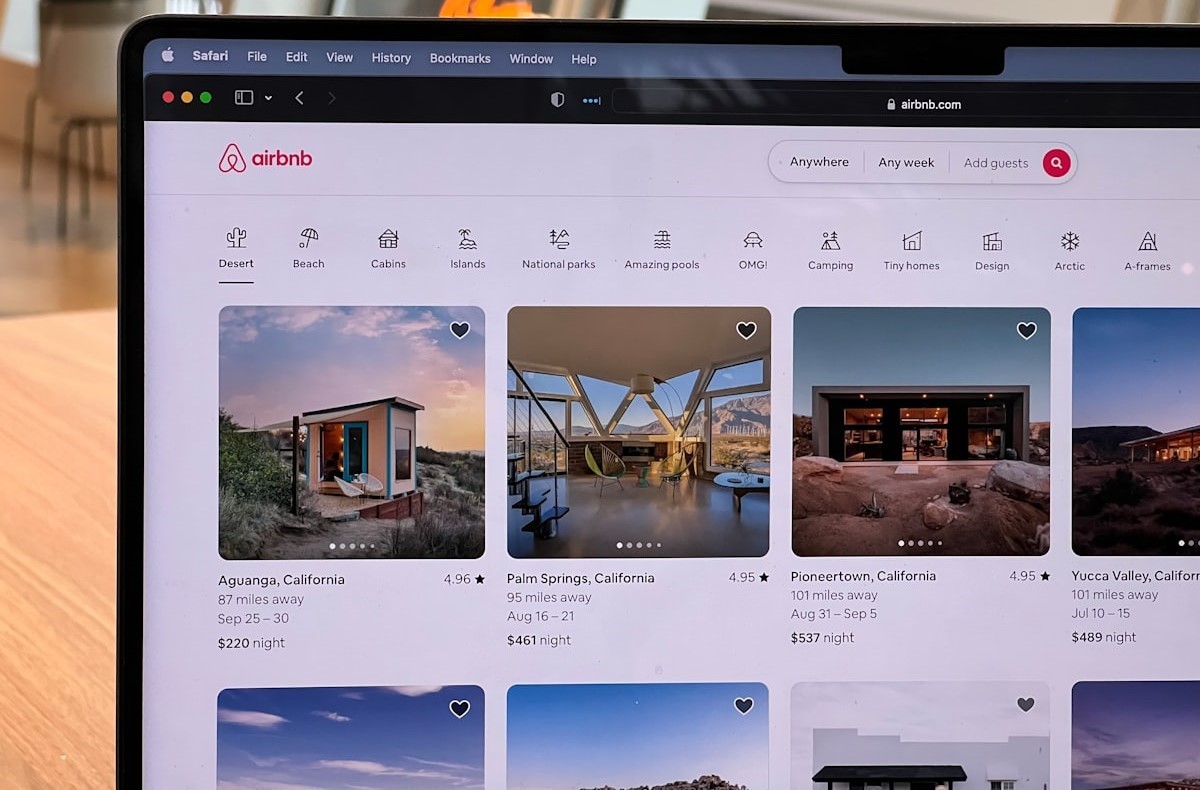
Listing on Airbnb alone leaves significant revenue on the table. We distribute your property across Airbnb, Booking.com, Vrbo, Expedia, and our direct booking channels. Different platforms attract different guest types — Booking.com is stronger for international tourists and last-minute bookings, while Airbnb captures the leisure and experience-seeking market.
Multi-platform distribution typically increases occupancy by 15–25% compared to single-platform listing, without the risk of double bookings (we use a synchronised calendar system).
3. Professional Photography and Listing Optimisation
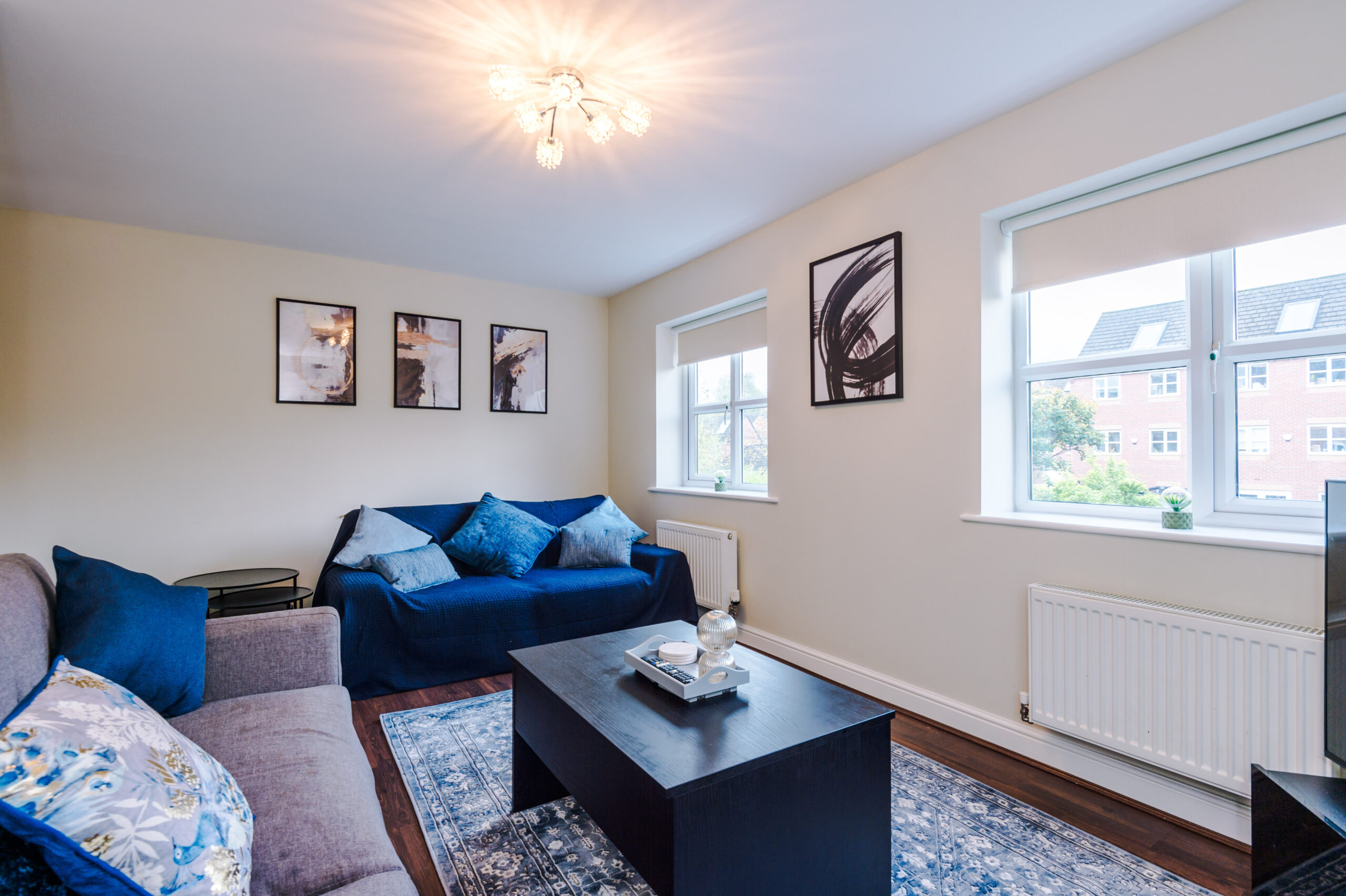
First impressions matter enormously on booking platforms. Professional photography makes your property stand out in search results and dramatically increases click-through and booking conversion rates. We invest in high-quality photography that showcases your property’s best features, natural light, and space.
Beyond photos, our listing descriptions are written to convert — highlighting the unique selling points of your property, its location, and what guests can expect. We continuously test and refine listings based on performance data.
4. Fast Response Times
Airbnb’s algorithm heavily favours hosts who respond to enquiries quickly. Our 24/7 guest communication team ensures that every enquiry is answered within minutes, not hours. This responsiveness directly improves your listing’s search ranking, meaning more visibility and more bookings.
5. Guest Experience That Drives 5-Star Reviews
Reviews are the lifeblood of Airbnb success. Properties with consistently high ratings rank higher in search results and convert browsers into bookers at a much higher rate. We achieve an average guest rating of 4.7+ stars across our portfolio by ensuring spotless professional cleaning between every stay, quality linen and towels, essential amenities and thoughtful touches, clear communication and smooth check-in processes, and rapid response to any guest issues during their stay.
Each five-star review compounds your listing’s performance, creating a virtuous cycle of visibility, bookings, and revenue.
6. Strategic Calendar Management
Smart calendar management fills gaps that would otherwise remain empty. We use minimum stay requirements strategically — shorter minimums during low-demand periods to capture any booking, and longer minimums during peak periods to maximise revenue per stay. We also actively manage orphan nights (single empty nights between bookings) by adjusting minimum stays and offering last-minute discounts.
7. Targeting the Right Guest Mix
Different properties attract different guests. We tailor our marketing and platform strategy to target the guest types that deliver the best results for your specific property. A city centre apartment might focus on business travellers midweek and leisure guests at weekends. A property near a stadium targets matchday visitors. A spacious apartment markets to families and groups.
This targeted approach means we’re not just filling your property — we’re filling it with the right guests at the right price.
See What Your Property Could Achieve
If your property isn’t achieving 80%+ occupancy, there’s room for improvement. HostaHome can provide a free, no-obligation assessment of your property’s earning potential based on our portfolio data and market analysis. Get your free property valuation and find out how much more your property could earn with professional management.