
If you’re a landlord exploring the short-term rental market, you’ve probably come across both “serviced accommodation” and “Airbnb” as options. While the terms are sometimes used interchangeably, there are meaningful differences between them — and understanding these distinctions will help you choose the right strategy for your property.
What Is Serviced Accommodation?
Serviced accommodation (often abbreviated to SA) refers to fully furnished properties available for short or medium-term stays, with hotel-like services included. These services typically include regular cleaning, linen changes, Wi-Fi, utilities, and sometimes a reception or concierge service. Serviced apartments are commonly used by business travellers, relocating professionals, and insurance companies housing displaced tenants.
Serviced accommodation is usually booked through corporate booking platforms, direct relationships with companies, or specialist SA booking sites — though many operators also list on Airbnb and Booking.com to fill gaps.
What Is Airbnb?
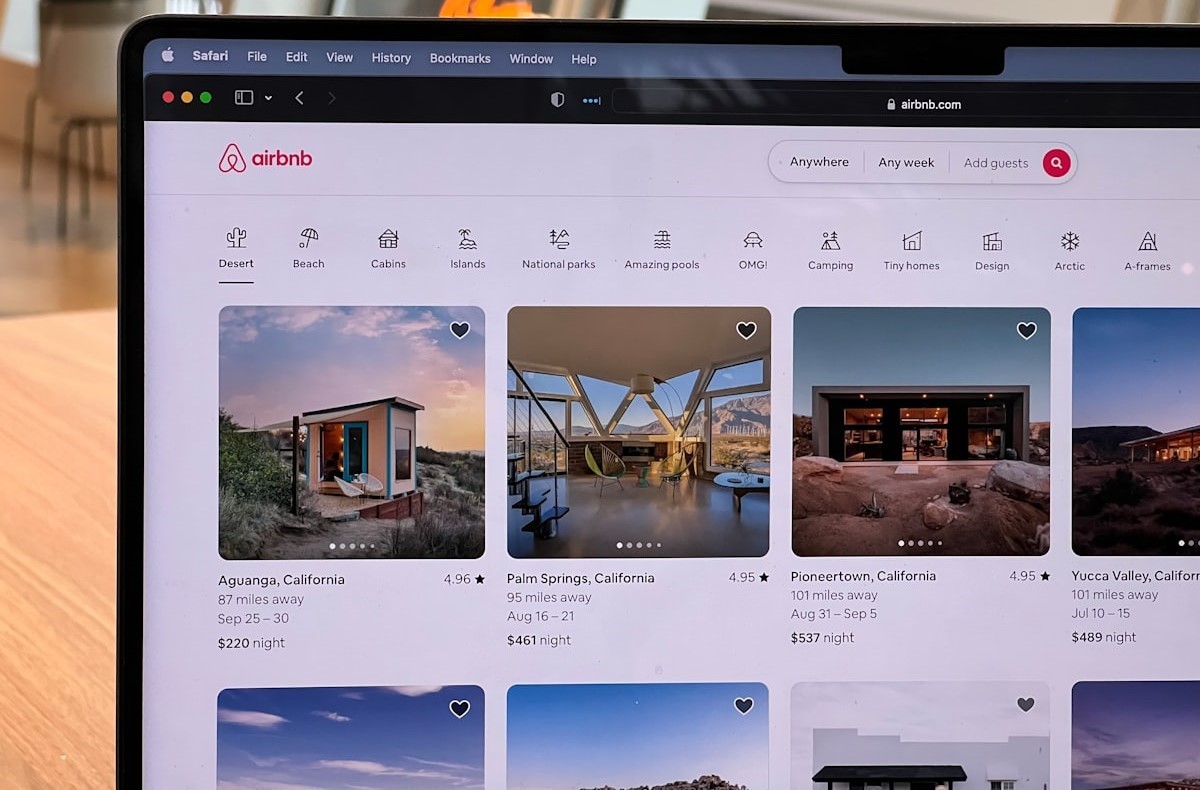
Airbnb is a platform — a marketplace where hosts list properties for short-term stays and guests book them. The “Airbnb model” typically refers to short-stay holiday or leisure rentals, though the platform also attracts business travellers, families, and longer-term guests. Properties on Airbnb range from spare rooms to entire homes and luxury apartments.
When people say “I run an Airbnb,” they usually mean they operate a short-term let listed primarily on Airbnb (and often Booking.com, Vrbo, and other platforms too).
Key Differences for Landlords
Guest profile: Serviced accommodation tends to attract corporate clients, contractors, and insurance placements — guests who stay for weeks or months at a time. Airbnb attracts a broader mix: weekend tourists, event visitors, families, couples, and business travellers. This difference affects everything from pricing strategy to furnishing decisions.
Stay length: SA bookings are typically longer — 1 week to 6 months. Airbnb bookings are typically shorter — 1 to 5 nights on average. Longer SA stays mean fewer turnovers and lower cleaning costs, but potentially lower nightly rates. Shorter Airbnb stays allow higher nightly rates but increase operational overhead.
Income potential: The highest income potential usually comes from a blended approach — using Airbnb for short weekend and event bookings at premium rates, and filling midweek or quieter periods with longer SA bookings at competitive weekly rates. This is exactly the strategy HostaHome employs for our managed properties.
Booking channels: Pure SA operators often rely on direct bookings, corporate contracts, and specialist platforms. Airbnb operators list on consumer-facing platforms. The most successful short-let businesses use both channels to maximise occupancy and revenue.
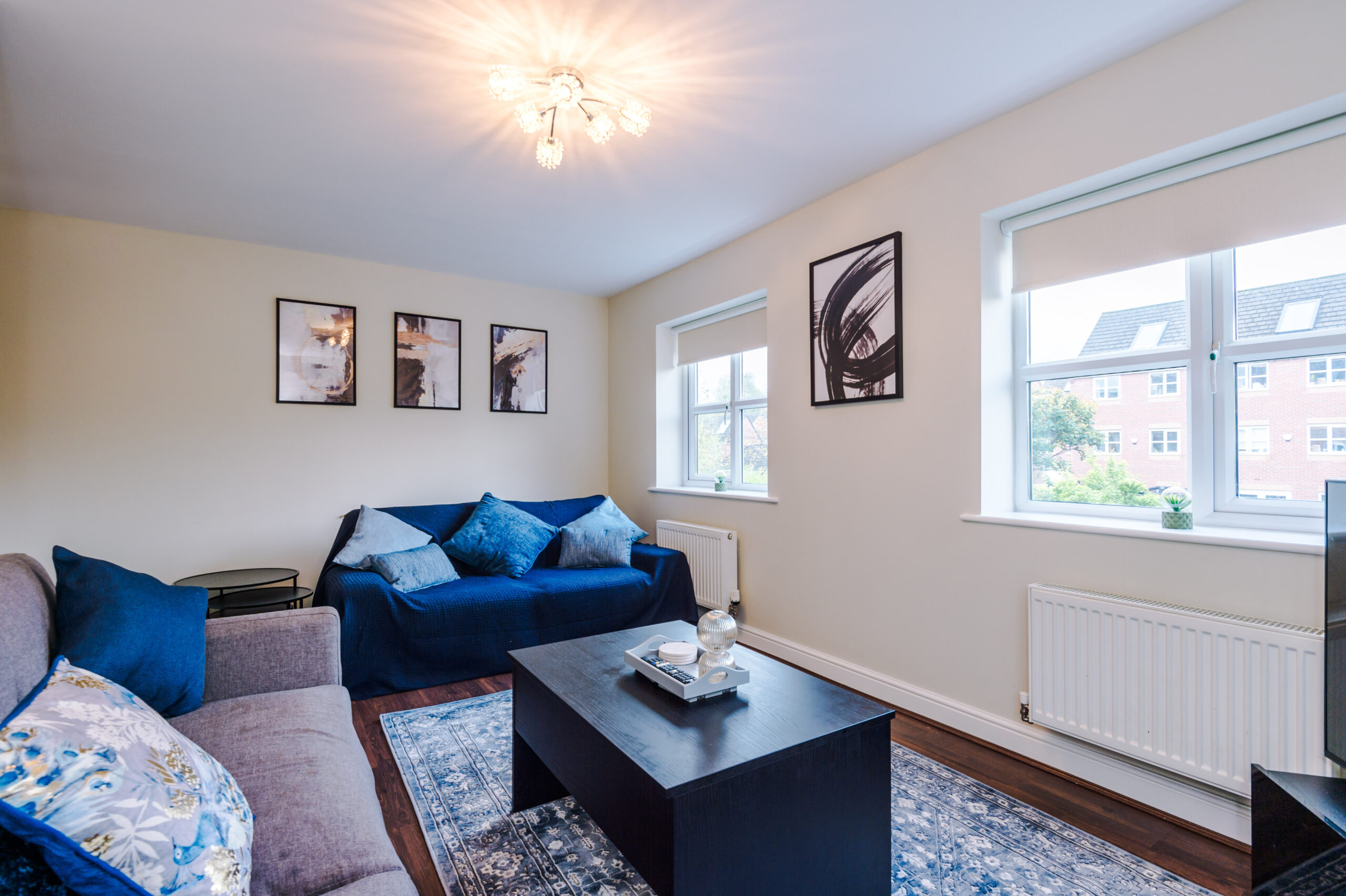
Setup and furnishing: Both require fully furnished properties, but SA guests often expect a more corporate, functional setup — a proper desk, fast broadband, iron and ironing board, kitchen essentials for extended stays. Airbnb guests value aesthetics and Instagram-worthy interiors alongside practical amenities.
Tax Implications
There are important tax differences between SA and traditional Airbnb letting. Serviced accommodation that qualifies as a “trade” for HMRC purposes can access significant tax advantages, including capital allowances on furnishings and equipment, mortgage interest relief (not available for standard buy-to-let since Section 24), and potential Business Asset Disposal Relief when you sell.
To qualify as a trade, you generally need to provide substantial services beyond just accommodation — regular cleaning, linen changes, a welcome pack, and similar hotel-style services. Simply listing on Airbnb may not automatically qualify. Seek advice from an accountant who specialises in property taxation.
Regulations and Compliance
Both SA and Airbnb properties must comply with the same health and safety requirements — gas safety certificates, electrical safety, smoke and CO detectors, fire safety, and EPC ratings. However, larger SA operations may face additional requirements around business rates registration, planning permission (if the use has materially changed from residential), and commercial waste disposal arrangements.
Which Model Is Right for Your Property?
The best approach depends on your property type, location, and goals. City centre apartments near business districts work exceptionally well for a blended SA/Airbnb model. Properties near tourist attractions, stadiums, or event venues tend to perform best with a short-stay Airbnb focus. Larger apartments with dedicated workspaces suit the SA market well. Unique or character properties often achieve premium rates on Airbnb.
In practice, the distinction between SA and Airbnb is increasingly blurred. The most profitable operators use multiple channels and adjust their strategy based on demand patterns.
Let HostaHome Maximise Your Returns
At HostaHome, we don’t limit ourselves to a single booking channel or guest type. We list your property across Airbnb, Booking.com, and corporate booking platforms to capture every revenue opportunity. Whether your property suits the SA model, the Airbnb model, or a blend of both, we’ll create the strategy that delivers the highest returns. Get a free property valuation to find out what your property could earn.